Why Proper Surface Preparation Is the Most Important Part of Any Paint Job in Connecticut
If you’ve ever seen paint peel, bubble, crack, or fade within a year or two, chances are the problem wasn’t the paint.
It was the preparation.
In Connecticut — especially in towns like Danbury, Ridgefield, Wilton, Bethel, and Newtown — weather conditions are tough on homes. We deal with freezing winters, humid summers, fluctuating temperatures, and moisture exposure year-round. If a surface isn’t properly prepared before painting, those conditions will expose weaknesses quickly.
Surface preparation isn’t the “extra step.”
It is the foundation of a durable, professional paint job.
Here’s what homeowners need to understand.
Paint Is Only as Good as the Surface Beneath It
Paint doesn’t magically bond to walls. It adheres mechanically and chemically to the surface below. If that surface is:
- Dusty
- Glossy
- Mildewed
- Chalking
- Peeling
- Moisture-damaged
- Or uneven
…the paint will fail. Every time.
Even high-end premium paints will peel if they’re applied over dirt, loose paint, or untreated damage.
This is why professional painting contractors in Danbury, CT spend a significant amount of time on prep work before a single coat is applied.
Why Surface Prep Is Even More Critical in Connecticut
Our climate makes preparation non-negotiable.
1. Freeze-Thaw Cycles
Water expands when it freezes. If moisture is trapped behind paint due to poor prep, Connecticut winters will cause cracking and peeling fast.
2. Humidity in Summer
High humidity can prevent proper curing if surfaces aren’t clean and dry.
3. Older Homes
Many homes in Ridgefield, Bethel, and Newtown were built decades ago. Older drywall, plaster, wood siding, and trim often require repairs, sanding, patching, and priming before painting.
Skipping prep in older homes leads to uneven finishes and adhesion failure.
What Proper Surface Preparation Actually Includes
Many homeowners assume prep means “wipe it down and start painting.”
In reality, proper preparation often includes:
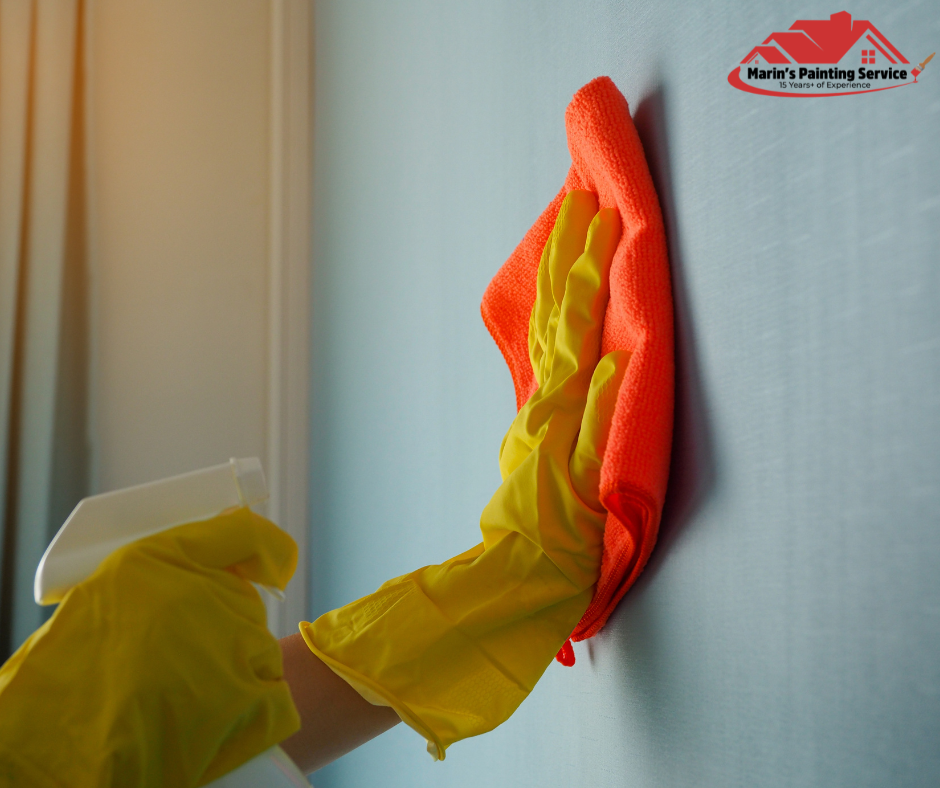
Thorough Cleaning
Interior: Removing dust, oils, handprints, smoke residue.
Exterior: Power washing to remove mildew, dirt, and chalking.
Without cleaning, paint adheres to contaminants — not the surface.
Repairing Damage
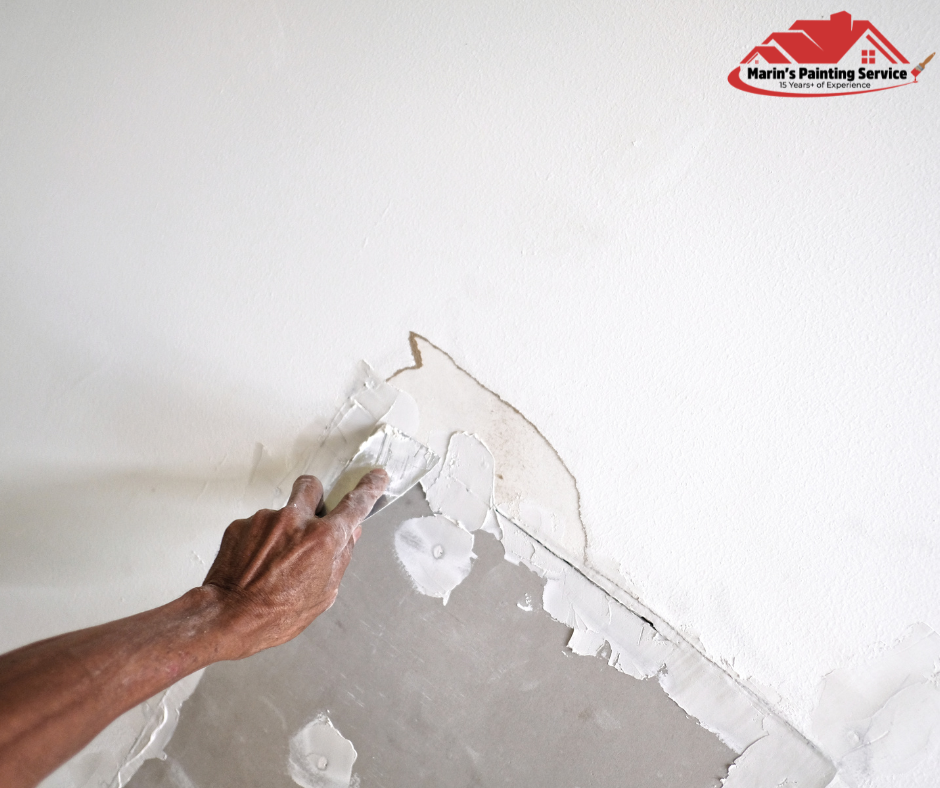
- Patching drywall cracks and nail pops
- Repairing dents
- Filling wood imperfections
- Replacing rotted trim
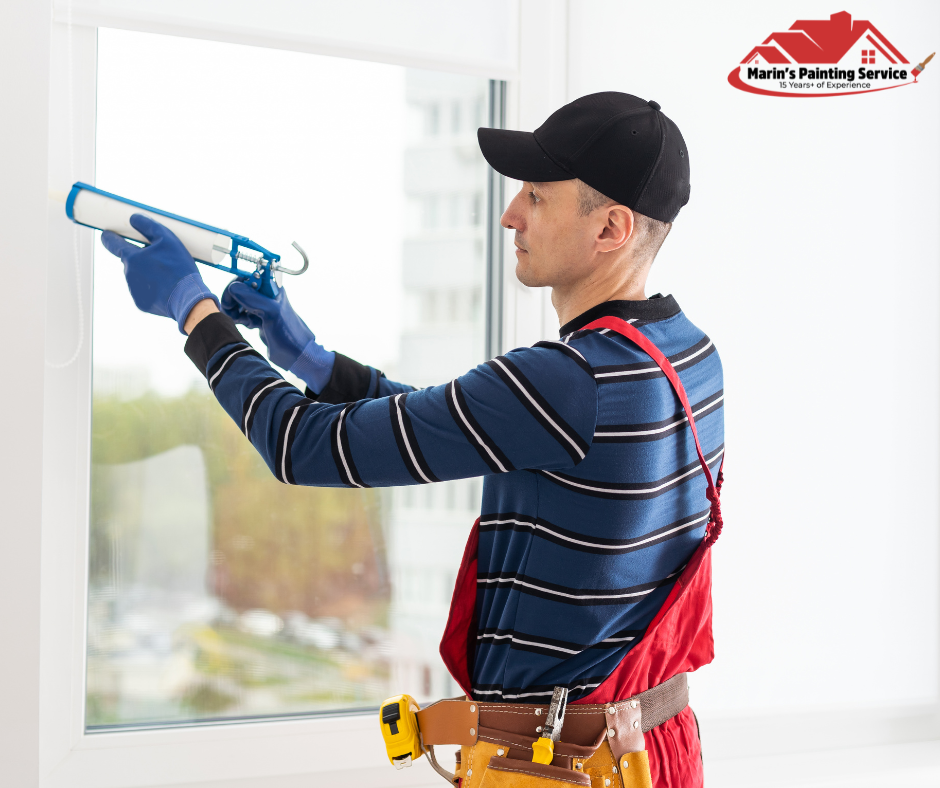
- Caulking gaps
If this step is rushed, those imperfections show through even after two coats of paint.
Sanding
Sanding does two things:
- Removes loose or peeling paint
- Creates a surface profile for new paint to grip
Glossy surfaces (like trim or previously oil-based paint) must be scuffed properly for adhesion.
Spot Priming (or Full Priming)
Primer is not optional in many situations:
- Bare drywall
- Repaired patches
- Stained areas
- Dark color to light color transitions
- Exterior raw wood
Skipping primer can cause flashing, uneven sheen, or bleed-through.
Caulking and Sealing
Exterior painting especially requires sealing gaps around trim and siding to prevent moisture intrusion.
This step directly affects longevity.
The Hidden Cost of Skipping Prep
When preparation is rushed or skipped, problems don’t always appear immediately. They show up months later:
- Peeling corners
- Bubbling around trim
- Cracking along seams
- Visible patch marks
- Uneven sheen
- Mold or mildew returning
And then the homeowner pays again.
This is why when homeowners are researching how to choose a painting contractor in Danbury, CT, they should always ask about preparation — not just paint brands.
A professional contractor should clearly explain their prep process before discussing finish coats.
Interior vs. Exterior Prep: What’s the Difference?
Interior Surface Preparation
Inside homes in Wilton or Ridgefield, the focus is typically:
- Wall cleaning (especially kitchens and bathrooms)
- Drywall repairs
- Sanding patch areas
- Protecting flooring and furniture
- Priming stains
Interior prep affects finish smoothness more than weather durability.
Exterior Surface Preparation
Exterior prep is more labor-intensive and more critical.
It may include:
- Power washing
- Scraping loose paint
- Sanding feathered edges
- Replacing rotted wood
- Priming bare areas
- Caulking joints
In Connecticut’s climate, exterior preparation is what determines whether paint lasts 3 years or 10+ years.
Why DIY Prep Is Where Most Projects Fail
Many homeowners can apply paint. Rolling paint is not the hard part.
Preparation is where experience matters:
- Knowing how much to scrape
- Identifying hidden rot
- Understanding moisture content
- Choosing the correct primer
- Sanding without damaging surfaces
- Recognizing when caulk should or shouldn’t be used
When homeowners ask, “Should I DIY or hire a professional painter?”, surface preparation is usually the deciding factor.
Paint is cosmetic. Prep is structural protection.
What Professional Painters Look For Before Starting
A reputable painting company serving Danbury, Bethel, Ridgefield, Wilton, and Newtown should inspect:
- Moisture damage
- Previous coating type
- Lead paint considerations (in older homes)
- Structural cracks
- Failing caulk
- Mildew presence
- Substrate condition
This inspection determines the prep plan.
Skipping inspection leads to surprise failures later.
How Proper Prep Protects Your Home’s Value
Paint is more than appearance. It’s protection.
Exterior paint protects:
- Wood siding
- Trim
- Fascia
- Doors
- Window frames
If prep is done correctly, paint acts as a moisture barrier.
If done incorrectly, moisture gets trapped — and damage accelerates.
For homeowners in Connecticut, where snow and humidity are constant concerns, prep is what protects your investment.
Signs Your Previous Paint Job Lacked Proper Prep
If you’re noticing:
- Peeling within 1–3 years
- Paint separating at seams
- Bubbling in sunny areas
- Stain bleed-through
- Flashing (patches visible under light)
…it likely wasn’t the paint brand. It was insufficient surface preparation.
This is why asking what questions to ask before hiring a painter is so important. A contractor should confidently explain their prep process step by step.
How Long Should Prep Take?
Homeowners are often surprised to learn that preparation can take:
- 50–70% of the total project time
If a contractor says they can paint your entire exterior in one day without discussing prep, that’s a red flag.
Quality preparation takes time.
The Professional Standard for Connecticut Homes
For homes in Danbury and surrounding Fairfield County towns, professional prep standards typically include:
✔ Full wash and dry time
✔ Scraping all loose paint
✔ Sanding transitions smooth
✔ Repairing damaged surfaces
✔ Priming exposed areas
✔ Proper caulking
✔ Protecting landscaping and property
These steps are not “add-ons.” They are standard practice.
The Bottom Line: Prep Determines Longevity
Anyone can open a can of paint.
The difference between a paint job that lasts two years and one that lasts a decade often comes down to preparation.
For Connecticut homeowners — especially in Danbury, Ridgefield, Wilton, Bethel, and Newtown — climate conditions demand proper surface preparation.
If you want durability, clean lines, smooth finish, and long-term protection:
Preparation isn’t optional.
It’s the most important part of the entire project.