DIY Painting vs Professional Painter: Do I Need a Painting Pro or Can I DIY This?
DIY painting vs professional painter is one of the most common questions homeowners ask when planning a home improvement project. Painting can look simple at first glance, but once prep work, time, tools, and long-term results are considered, many homeowners begin to wonder whether tackling the job themselves is really the best option. If you’ve ever stood in a paint aisle asking yourself, “Do I need a painting pro or can I DIY this?” you’re not alone.
This guide breaks down DIY painting vs professional painter decisions in a clear, question-and-answer format. The goal is not to sell you on one option, but to help you understand what’s involved so you can make the right choice for your home, your schedule, and your expectations.
Is painting something most homeowners can realistically do themselves?
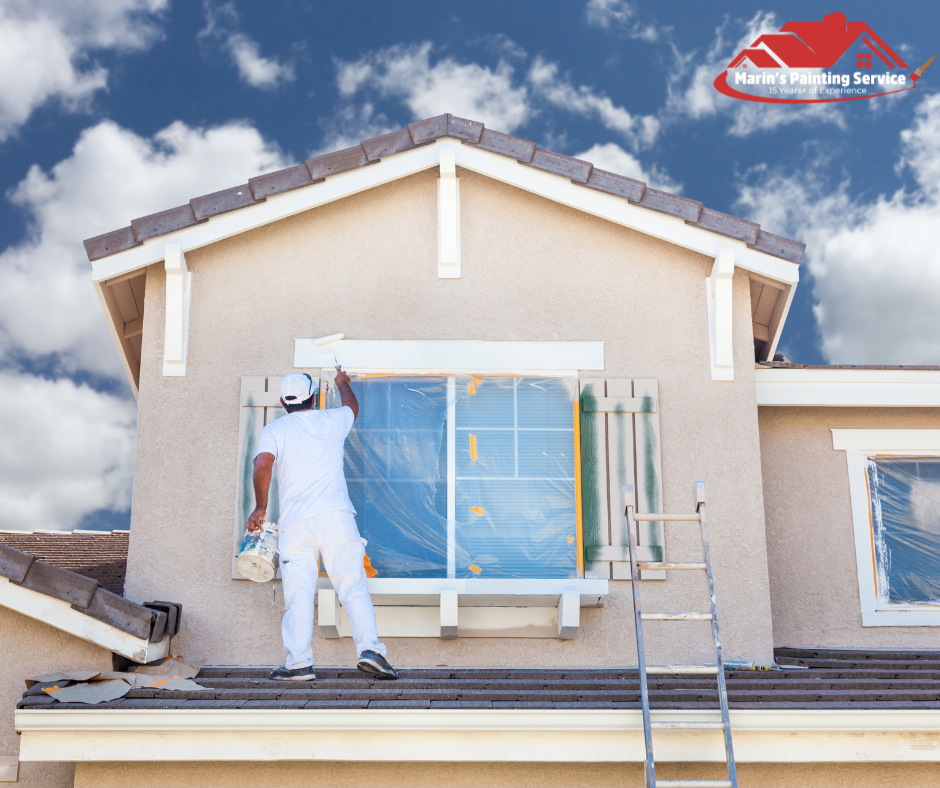
Learn what’s involved in full residential painting projects.
DIY painting vs professional painter often starts with the assumption that painting is an easy task anyone can handle. In reality, many homeowners can successfully complete certain painting projects themselves, especially when the work is small in scope and the surfaces are in good condition.
Basic interior painting projects, such as repainting a bedroom or refreshing a single wall, are often manageable for homeowners who have the time, patience, and willingness to learn proper techniques. Rolling paint onto a wall is straightforward, but achieving an even finish requires attention to detail, steady pacing, and surface preparation.
The challenge is that painting involves much more than applying color. Cleaning, patching, sanding, priming, and choosing the right products all affect the final result. Homeowners who underestimate these steps often struggle to achieve professional-looking results, even if the painting itself seems simple.
What types of painting projects are usually safe to DIY?
When comparing DIY painting vs professional painter options, certain projects tend to fall clearly into the DIY-friendly category. These are typically projects with low risk, minimal prep, and easy access.
DIY painting is often suitable for:
- Single interior rooms with standard ceiling heights
- Accent walls or color changes without repairs
- Touch-ups and repainting previously painted surfaces
- Closets, hallways, or low-traffic areas
These projects usually don’t require specialized tools or advanced techniques. They also allow homeowners to work at their own pace without significant consequences if mistakes occur.
In these decisions, the key factor here is control. Smaller projects are easier to manage, easier to correct, and less likely to cause frustration or costly errors if something goes wrong.
When does it make more sense to hire a professional painter instead of DIY?
DIY painting vs professional painter choices often shift when a project becomes more complex. Larger projects, difficult surfaces, or high-risk conditions usually favor hiring a professional painter.
It generally makes more sense to hire a professional painter when:
- Surfaces are damaged, peeling, or stained
- Multiple rooms need to be painted consistently
- Ceilings, stairwells, or tall walls are involved
- Exterior surfaces are exposed to weather
- Long-term durability is a priority
Professional painters are trained to identify underlying issues that affect paint performance, such as moisture intrusion or failing coatings. These hidden problems are often what separate short-term success from long-term results.
If a project requires extensive prep or specialized equipment, professional expertise can prevent premature paint failure and uneven finishes.
What are the most common problems with DIY painting?
One of the biggest factors in this decision is understanding what can go wrong. Many homeowners begin with confidence, only to encounter issues that compromise the final outcome.
Common DIY painting problems include:
- Skipping surface preparation
- Using the wrong type of paint or finish
- Applying paint too thick or too thin
- Visible roller marks or brush strokes
- Paint peeling or bubbling within months
These problems are rarely caused by lack of effort. More often, they stem from unfamiliarity with proper techniques and materials. In DIY painting vs professional painter situations, professionals rely on process and experience, while homeowners rely on trial and error.
Mistakes may not be immediately visible, but they often show up over time, leading to frustration and the need for repainting sooner than expected.
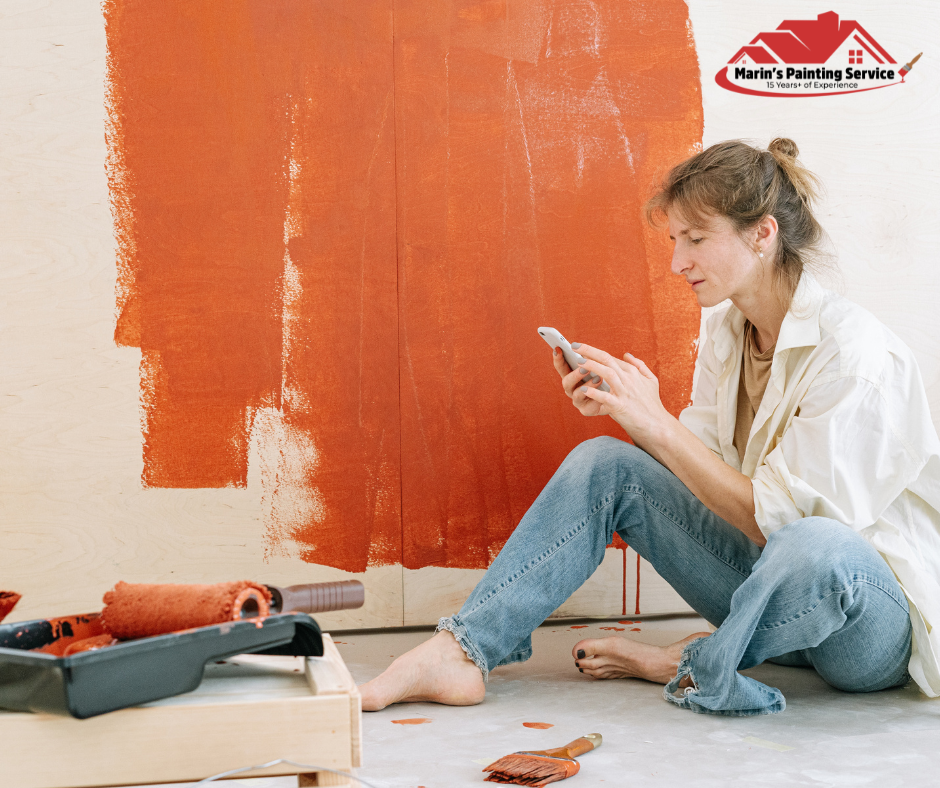
Learn how surface repairs affect paint longevity.
Is DIY painting actually cheaper than hiring a professional painter?
Cost is one of the biggest considerations in DIY painting vs professional painter decisions. At first glance, DIY painting seems cheaper because labor costs are eliminated. However, the full picture is more nuanced.
DIY painting costs often include:
- Paint and primer
- Brushes, rollers, trays, and drop cloths
- Ladders or scaffolding
- Repair materials
- Time investment
Hiring a professional painter includes labor, expertise, and efficiency, but it often reduces waste and eliminates the need to purchase tools that may never be used again.
Homeowners sometimes overlook the value of their own time. Weekend after weekend spent painting can outweigh the initial cost savings, especially if the result doesn’t meet expectations and requires rework.
How much time does DIY painting usually take compared to hiring a pro?
Time commitment is another major factor in DIY painting vs professional painter decisions. What seems like a quick project can easily stretch into weeks when balancing work, family, and other responsibilities.
DIY painting often takes longer because:
- Prep work is unfamiliar and slower
- Drying times interrupt progress
- Work is limited to evenings and weekends
- Fatigue leads to inconsistent results
Professional painters typically complete projects much faster due to experience, teamwork, and dedicated schedules. In DIY painting vs professional painter scenarios, speed doesn’t just mean convenience—it also affects how long your home remains disrupted.
For homeowners with tight timelines, professional painting often offers peace of mind.
Does hiring a professional painter lead to better results or higher home value?
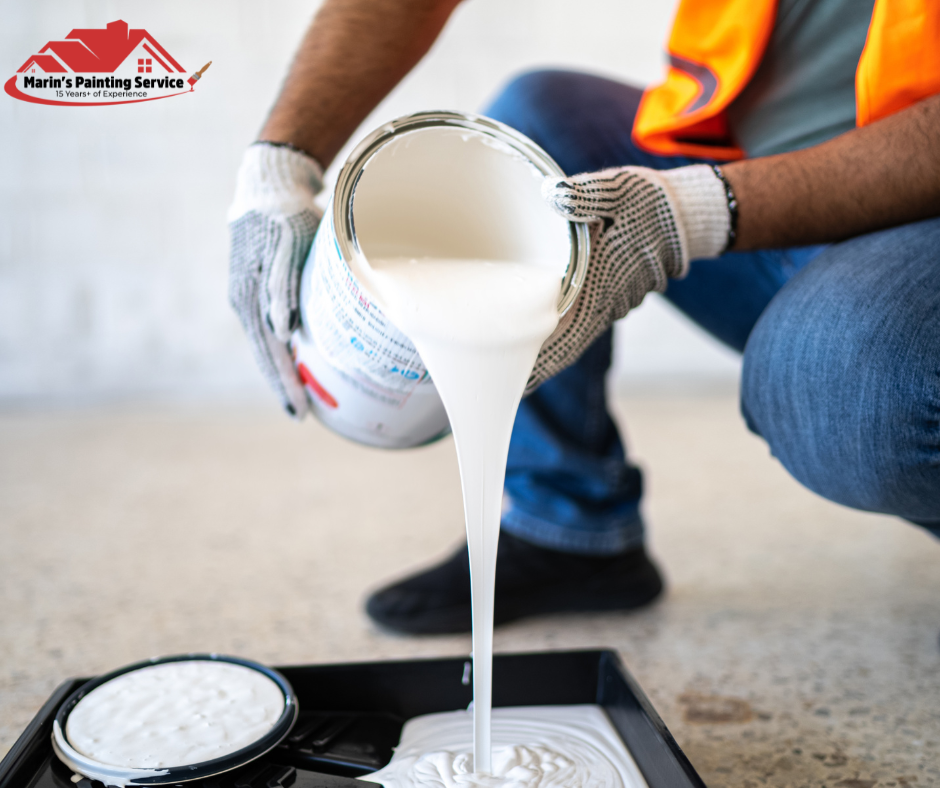
Interior painting quality is often most noticeable in the final finish.
Another common question in DIY painting vs professional painter discussions is whether professional results truly make a difference. In many cases, the answer is yes.
Professional painters deliver:
- Smooth, consistent finishes
- Clean lines and edges
- Proper adhesion and durability
- Long-lasting results
These factors contribute to improved appearance and can positively influence buyer perception. Resale value isn’t always the primary motivation, but it’s an important consideration for homeowners planning future moves.
Even when selling isn’t imminent, professional results tend to age better, maintaining a clean, well-kept look over time.
How do I decide if I should DIY or hire a professional painter for my home?
The most effective way to approach your decision is to evaluate your situation honestly. There’s no universal right answer—only the right choice for your specific project.
Ask yourself:
- How much prep work is required?
- Are there repairs involved?
- How important is durability?
- Do I have the time and energy to finish properly?
- Am I comfortable fixing mistakes if they happen?
DIY painting vs professional painter choices often come down to tolerance for risk and patience. If achieving a flawless finish matters more than saving time or money, professional help may be the better option. If flexibility and hands-on involvement are priorities, DIY painting may be worth considering.
Final Answer — Do I Need a Painting Pro or Can I DIY This?
Choosing DIY painting vs a professional painter is ultimately about balance. DIY painting can be rewarding for small, manageable projects with minimal prep, while professional painters bring efficiency, expertise, and long-term reliability to more complex jobs.
Understanding your home’s needs, your expectations, and your available time makes the decision clearer. Some homeowners successfully combine both approaches over time, choosing DIY for simple updates and professional help for larger or higher-risk projects.
By evaluating scope, cost, time, and desired results, homeowners can confidently decide which path makes the most sense. Understanding the real differences between each allows homeowners to make confident decisions based on time, cost, skill level, and long-term results.